

Una futanashi kyusu es una tetera japonesa diseñada sin tapa, lo que crea un entorno de infusión abierto que modifica la forma en que el calor, el aroma y el vertido se comportan durante la infusión.
Quitar la tapa afecta la velocidad de disipación del calor, la liberación de los aromas y la forma en que se manipula el té durante la infusión. Estos cambios modifican tanto el proceso de preparación como la experiencia general de disfrutar del té.
En comparación con un kyusu estándar, el kyusu también influye en su rendimiento . El diseño de boca abierta facilita el vertido y permite un acceso directo a las hojas durante la infusión, pero también reduce la retención de calor.
Esto hace que la futanashi kyusu sea más adecuada para ciertos tés y estilos de preparación que para un reemplazo universal de las teteras con tapa.
Este artículo explica cómo funciona un futanashi kyusu , en qué se diferencia de kyusu estándar y cuándo conviene utilizarlo en la preparación diaria del té.
¡Empecemos!
Futanashi Kyusu : Un diseño sin tapa basado en la elaboración de cerveza abierta.

Una futanashi kyusu se diferencia de una kyusu estándar en que se le quita la tapa, lo que cambia la forma en que se retiene el calor, cómo se escapa el aroma y cómo se manipula la tetera durante la preparación.
En un kyusu tradicional, la tapa cumple dos funciones prácticas: retiene el calor dentro de la olla durante la infusión y se mantiene en su lugar mientras se vierte el agua caliente, evitando que salpique. Sin ella, ambas funciones se ven alteradas.
La mayoría de teteras kyusu compensan la falta de tapa con una pared de arcilla más gruesa, a diferencia de las teteras de diseño abierto como la toumei kyusu , que utiliza vidrio para lograr visibilidad en lugar de retención de calor. El material adicional ralentiza la pérdida de calor por los lados, compensando parcialmente lo que de otro modo se escaparía por la parte superior abierta durante la infusión.
La retención de calor es menor que la de un Kyusu con tapa.
Con la parte superior de la tetera abierta, el calor se disipa con mayor facilidad durante la infusión. Para la mayoría de los tés verdes japoneses, esto no representa un gran inconveniente, ya que de todos modos se preparan a temperaturas más bajas, generalmente entre 60 y 80 grados Celsius.
Los tés que requieren una retención de calor precisa durante una infusión prolongada, como gyokuro a 60 grados Celsius durante dos minutos o más, se enfriarán un poco más rápido en una tetera sin tapa. Para estas infusiones, una kyusu o houhin con tapa ofrece mayor control.
Para infusiones más cortas con sencha o hojicha , la diferencia es lo suficientemente pequeña como para no afectar significativamente el resultado.
El aroma se libera inmediatamente en la habitación.
Aquí es donde la tetera futanashi kyusu ofrece algo que una tetera con tapa no ofrece. Como la parte superior está abierta, los compuestos aromáticos del té se elevan libremente al aire desde el momento en que el agua entra en contacto con las hojas.
Con hojicha o genmaicha , este efecto es especialmente notable. Los aromas tostados y a nuez que caracterizan a estos tés inundan el ambiente mientras se infusionan. El momento de la infusión se convierte en parte de la experiencia, algo que una tapa cerrada impide.
Durante la temporada shincha , cuando el aroma fresco y herbáceo del té recién cosechado está en su punto álgido, prepararlo en una tetera sin tapa permite que ese aroma llegue a ti antes de que des el primer sorbo.
Control de vertido y uso diario
Vertido con una sola mano sin necesidad de sujetar la tapa.
Con una kyusu estándar con tapa, normalmente se usa el pulgar o el índice para sujetar la tapa mientras se inclina la olla para servir. Es un gesto sencillo, pero requiere coordinación y se vuelve automático rápidamente.
Una futanashi kyusu elimina por completo ese paso. Simplemente se sujeta el asa lateral, se inclina la olla y se vierte en un solo movimiento. No hay nada que manipular en la parte superior. Para quienes suelen tener dificultades con la tapa o para situaciones en las que se vierte rápidamente en varias tazas, esta simplificación resulta realmente útil.
Sin riesgo de que se rompa o se pierda la tapa.
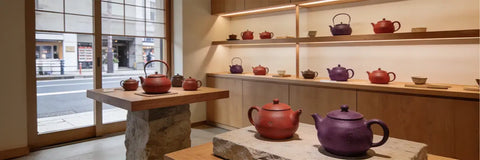
Las tapas de las teteras Kyusu son pequeñas y pueden resbalar, astillarse o extraviarse con el tiempo. Dado que la tetera kyusu futanashi no tiene tapa, ese posible punto de fallo no existe. Para la vajilla de uso diario que se manipula con frecuencia, esto es más importante de lo que parece. La tetera de arcilla roja japonesa está diseñada precisamente para este tipo de uso regular y sin preocupaciones. No hay que reemplazar la pieza original, no hay que preocuparse de que un borde de tapa agrietado altere el ajuste, ni hay problemas de compatibilidad cuando la original se rompe.
La limpieza es más sencilla con una tapa abierta.
Para enjuagar y secar un kyusu estándar, es necesario retirar las hojas a través de la abertura alrededor de la tapa, que es relativamente estrecha. En un futanashi kyusu , la parte superior está completamente abierta, lo que permite un acceso directo al interior.
Las hojas usadas se enjuagan con mayor facilidad y la humedad se escapa por la abertura sin necesidad de dejarla entreabierta como una olla con tapa después de usarla. Un interior más seco entre preparaciones reduce la posibilidad de que se acumule olor residual en la arcilla sin esmaltar con el tiempo.
Si estás buscando un auténtico kyusu de arcilla de Japón, aquí te decimos dónde encontrarlo. 👉 Dónde comprar Kyusu en Tokyo
Tés que funcionan mejor en esta tetera sin tapa

Los tés tostados aromáticos son los más beneficiosos.
Hojicha y genmaicha son la combinación perfecta para este estilo de preparación sin tapa. Ambos se tuestan y desprenden aromas intensos e inmediatos. Al prepararlos en una olla abierta, esos aromas no se acumulan dentro del recipiente, sino que se liberan libremente, lo que añade una dimensión sensorial a la experiencia.
Estos tés también se preparan a temperaturas más elevadas, entre 80 y 90 grados Celsius, lo que significa que la ligera pérdida de calor por una abertura superior tiene menos importancia.
Los tés Sencha y los tés verdes estándar funcionan bien en infusiones cortas.
Un sencha estándar, infusionado durante 60 a 90 segundos a 70 grados Celsius, funciona de manera fiable en un futanashi kyusu . El tiempo de infusión es lo suficientemente corto como para que la pérdida de calor por la abertura superior no afecte significativamente la extracción.
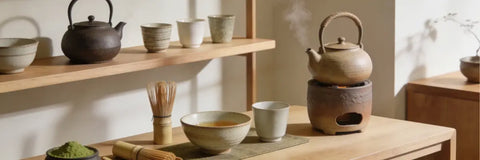
También puedes observar cómo se despliegan las hojas durante la infusión, algo más difícil de apreciar en una tetera con tapa. Para quienes disfrutan viendo el proceso de preparación, esta visibilidad es parte del atractivo del diseño sin tapa. Si quieres perfeccionar tu método de preparación para este estilo, aprende cómo se hace. 👉 Sencha Kyusu : Por qué esta tetera es la mejor para Sencha
Si estás explorando diferentes tés japoneses de hojas sueltas y quieres entender cómo se prepara cada uno, la colección de tés de hojas sueltas Nio Teas incluye senchas, hojichas y genmaicha adecuados para la preparación kyusu .
Cuándo este estilo tiene sentido en la elaboración diaria de cerveza

Una futanashi kyusu no reemplaza a cualquier kyusu . Se entiende mejor como una tetera para un tipo específico de persona que prepara el té y para una rutina diaria específica.
Si preparas regularmente uno o dos tipos de té aromático, deseas un vertido más sencillo y prefieres no tener que lidiar con una tapa, este modelo lo resuelve todo sin necesidad de ajustar tu método de preparación.
Si preparas habitualmente gyokuro , kabuse sencha u otros tés que requieren temperaturas bajas constantes durante infusiones prolongadas, una tetera kyusu o shiboridashi con tapa te dará mejores resultados. Si estás dudando entre diferentes tipos de teteras, entender las diferencias entre un gaiwan y un kyusu te ayudará a elegir la adecuada. Conocer la diferencia entre los distintos tipos de teteras te permite crear un juego de té que se adapte a los tés que consumes habitualmente.
Para la mayoría de los bebedores habituales de té verde, la tetera futanashi kyusu es una opción práctica y sencilla, y la tetera negra kyusu es un ejemplo minimalista y elegante de ese tipo de tetera para el día a día. El aroma inunda la habitación, las hojas son visibles y servir el té requiere menos manos. Para la rutina adecuada, esta combinación es suficiente.
Descubre la colección de accesorios para té Nio Teas y encuentra teteras japonesas ideales para preparar té a diario con hojas sueltas.

Comentarios (0)
No hay comentarios todavía. Sé el primero en comentar.